Whether you’re a first time entrepreneur or seasoned-pro if you want to succeed in business you’ll never stop learning.
As start-up founders we’re fortunate enough today to have a great start-up community where knowledge is not only freely shared, but is accessible to everyone. Knowledge and how to succeed doesn’t need to come with a price-tag attached.
Some of the best sources of wisdom and knowledge for entrepreneurs are blogs written by venture capitalists. These VCs, often former start-up founders themselves, not only give insights on how they view the world, industry trends and what they look for in investments, but more often than not it’s the posts on the mistakes that can be avoided that are the most valuable.
Here we share just 5 of our must-read VC blogs that you should be reading on a regular basis:
Tomasz Tunguz
Having joined Redpoint venture capital in 2008 from Google Ad Sense, Tomasz Tunguz has made investments into start-ups such as Expensify, Looker, and Axial. He’s a prolific blogger and his data-driven blog-posts are a go-to for wisdom on everything SaaS, sales and marketing, fundraising and more.
Based out of Germany & West Coast America Christoph Janz is an internet entrepreneur having co-founded DealPilot.com, now a seasoned SaaS investor. The managing partner at Point Nine Capital his investments include Zendesk, Geckoboard and ChartMogul. His blog, The Angel VC, is a must-read for new and battle hardened start-up founders alike.
Living in San Francisco Jason Lemkin was the co-founder of EchoSign, the digital signature software company sold to Adobe in July 2011. He is perhaps best known for his blog posts via the cult-status SaaStr community and on Quora where he is one of the most active posters sharing his learning on taking a start-up from $0 to $100m ARR
Based out in California Bryon Deeter is a partner at Bessemer Venture Partners. One of the leading venture capital firms in the SaaS space his investments include Twilio, Box, and Intercom. Bryon is prolific on Twitter, via the bvp.com website and through his interviews across a whole range of industry outlets.
Out of Cambridge Massachusetts David Skok is a partner at Maxtrix Partners. Like many of the VCs in our must-read 5 he successfully ran his own companies before becoming a venture capitalist and now sits on the board of invested companies such as HubSpot. His blog forEntreprenuers was voted #2 on the Forbes List of 100 Best Websites for Entrepreneurs.
7min read A website may be standing and still be in trouble. It may answer a request, return a cheerful 200 OK, and yet load slowly enough that visitors begin to lose patience. Its certificate may be nearing expiry. Its domain records may have changed. A server may be filling its disk in the background, patient and
6min read StatusCake tells you that something might be broken. Hermes can check whether it really looks broken, decide who should hear about it, send the email, and keep the record for tomorrow morning’s summary.
3min read The allure of OpenClaw is undeniable. You deploy a highly autonomous, self-hosted AI agent, give it access to your repositories and inboxes, and watch it reason through complex workflows while you sleep. It is the dream of the ultimate 10x developer tool realized. But as any veteran DevOps engineer will tell you: running an LLM-backed
7min read There are cloud outages, and then there are us-east-1 outages. That distinction matters because failures in AWS’s Northern Virginia region rarely feel like ordinary regional incidents. They tend instead to expose something larger and more uncomfortable: too much of the modern internet still behaves as though one place is an acceptable concentration point for infrastructure,
7min read Artificial intelligence is making software easier to produce. That much is already obvious. Code that once took hours to scaffold can now be drafted in minutes. Boilerplate, integration logic, tests, refactors and small internal tools can be generated with startling speed. In some cases, even substantial pieces of implementation can be assembled quickly enough to
10min read Whilst AI has compressed the visible stages of software delivery; requirements, validation, review and release discipline have not disappeared. They have been pushed into automation, runtime and governance. The real risk is not that the lifecycle is dead, but that organisations start acting as if accountability died with it. There is a now-familiar story about
James Barnes
April 2, 2026
Sign up for the StatusCake newsletter
Want to know how much website downtime costs, and the impact it can have on your business?
Find out everything you need to know in our new uptime monitoring whitepaper 2021





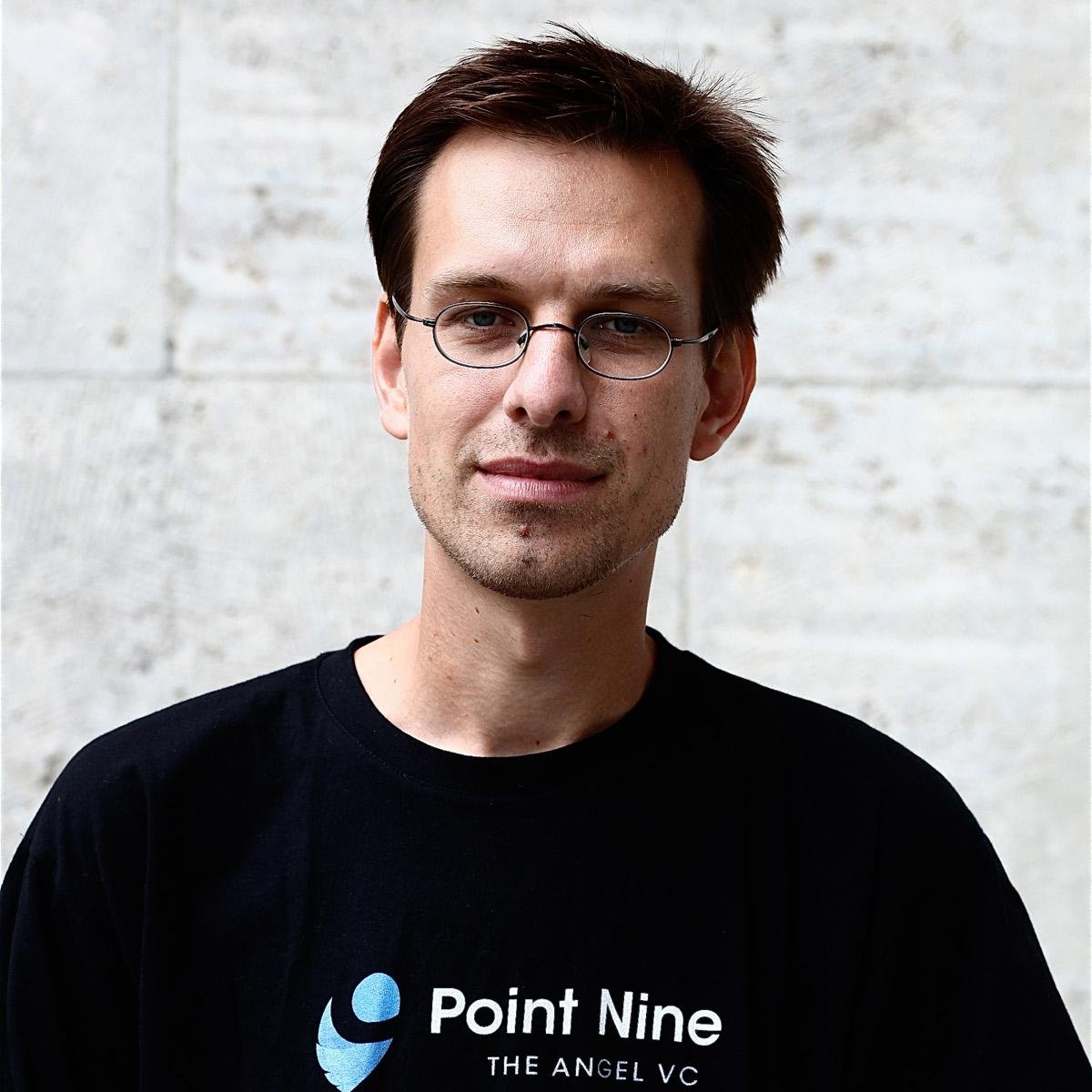 Christoph Janz

 David Skok