
Want to know how much website downtime costs, and the impact it can have on your business?
Find out everything you need to know in our new uptime monitoring whitepaper 2021


You can now install our very own StatusCake app on any iOS or Android device. This means you can check your test status on the go wherever you are without needing to log into email or access the StatusCake site in a mobile view!
At launch, the app covers Uptime, SSL, and PageSpeed type tests, and you can view all of the important information for each type at a glance. All you will need to make use of this is your StatusCake username and API key.
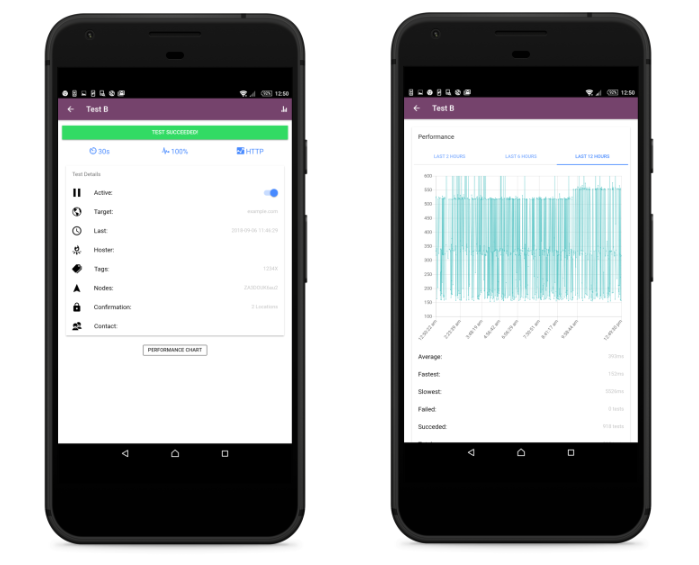
For Uptime tests the app allows you to see the current status, as well as other details such as the set check rate, the URL target of the test, the uptime percentage, the time of the last test, any tags that are assigned – and lots of other useful information. It’s also possible to pause tests through the app with a tap of the screen.
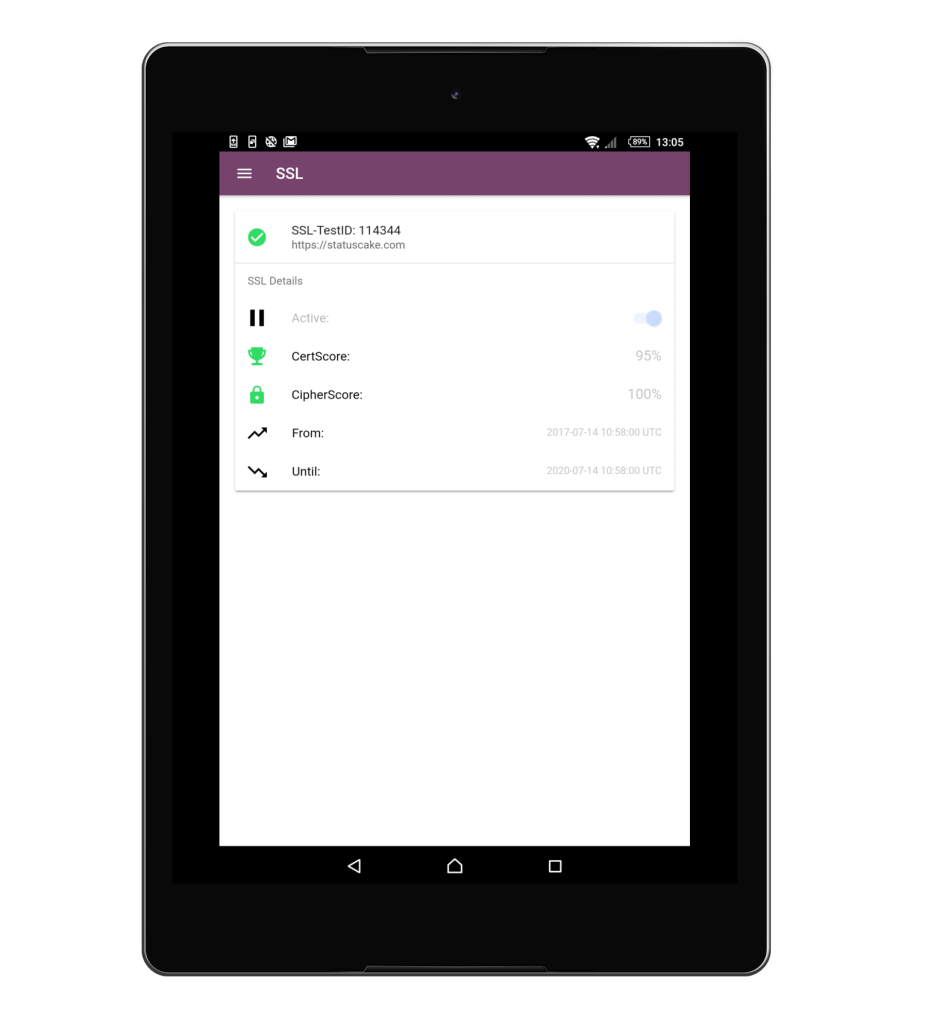
In the SSL section of the app you will see a summary of SSL certificates being monitored with StatusCake. At a glance you will be able to view the Certificate Score, Cipher Score, and From/To Expiry date information for all SSL type tests within your StatusCake account.
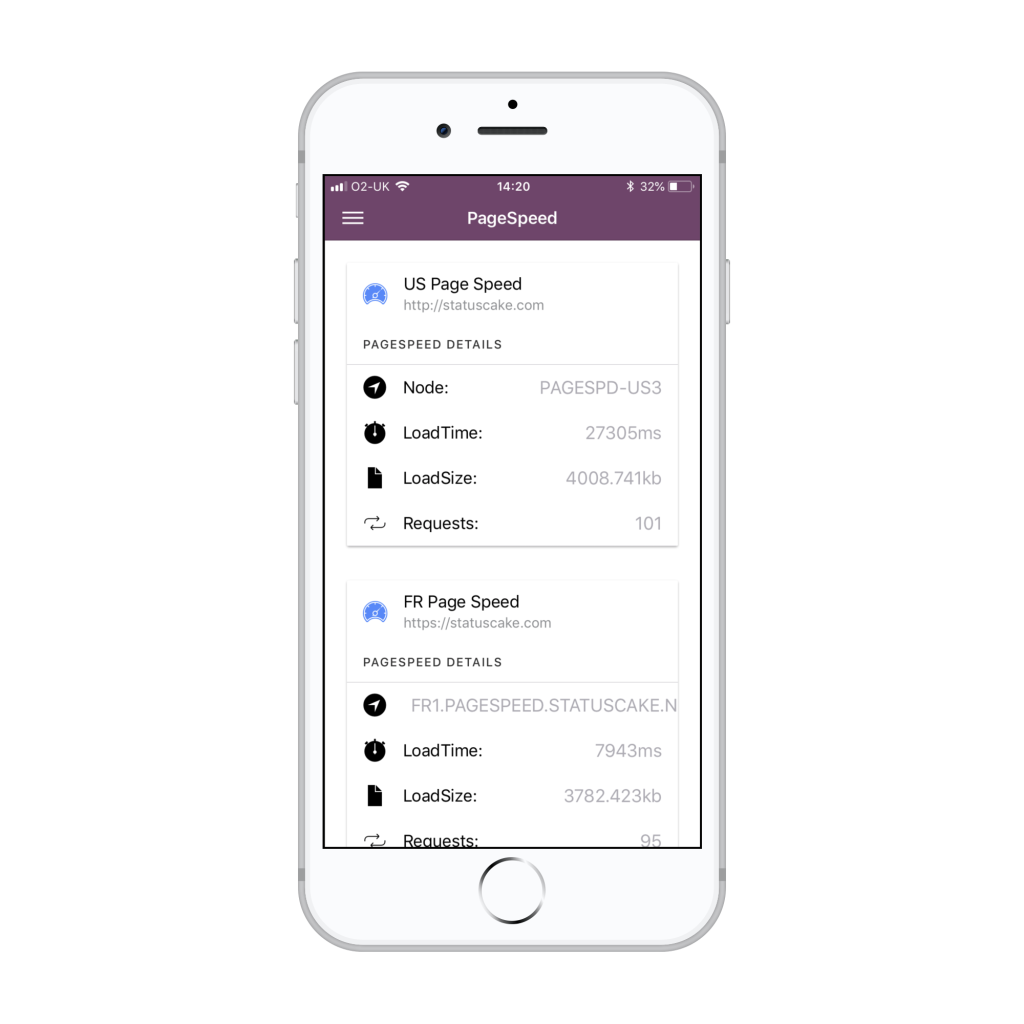
You can also view Page Speed data within the app, Data will be shown on the tests in your account including which location the Speed Tests are running from, the latest load time and page size figures, and the total number of requests completed during the last check.
Grab the App for Android or iOS:
Share this
3 min read In the previous posts, we’ve looked at how alert noise emerges from design decisions, why notification lists fail to create accountability, and why alerts only work when they’re designed around a clear outcome. Taken together, these ideas point to a broader conclusion. That alerting is not just a technical system, it’s a socio-technical one. Alerting
3 min read In the first two posts of this series, we explored how alert noise emerges from design decisions, and why notification lists fail to create accountability when responsibility is unclear. There’s a deeper issue underneath both of those problems. Many alerting systems are designed without being clear about the outcome they’re meant to produce. When teams
3 min read In the previous post, we looked at how alert noise is rarely accidental. It’s usually the result of sensible decisions layered over time, until responsibility becomes diffuse and response slows. One of the most persistent assumptions behind this pattern is simple. If enough people are notified, someone will take responsibility. After more than fourteen years
3 min read In a previous post, The Incident Checklist: Reducing Cognitive Load When It Matters Most, we explored how incidents stop being purely technical problems and become human ones. These are moments where decision-making under pressure and cognitive load matter more than perfect root cause analysis. When systems don’t support people clearly in those moments, teams compensate.
4 min read In the previous post, we looked at what happens after detection; when incidents stop being purely technical problems and become human ones, with cognitive load as the real constraint. This post assumes that context. The question here is simpler and more practical. What actually helps teams think clearly and act well once things are already
3 min read In the previous post, we explored how AI accelerates delivery and compresses the time between change and user impact. As velocity increases, knowing that something has gone wrong before users do becomes a critical capability. But detection is only the beginning. Once alerts fire and dashboards light up, humans still have to interpret what’s happening,
Find out everything you need to know in our new uptime monitoring whitepaper 2021